Navigating the complexities of network management can be daunting, especially when it comes to configuring and securing MikroTik devices. The Winbox login process provides a powerful, user-friendly interface that simplifies these tasks, making network administration accessible even to those with limited technical background. Whether you’re a network engineer, an IT administrator, or a hobbyist setting up a home network, mastering Winbox login is essential for efficient control and security. This comprehensive guide explores everything you need to know about Winbox login—from setup to troubleshooting—empowering you to optimize your MikroTik devices effectively.
Understanding the Significance of Winbox Login in Network Management

Getting acquainted with Winbox login is the first step toward unlocking the full potential of MikroTik routers and switches. These devices are renowned for their flexibility and powerful features, but they rely heavily on user-friendly interfaces—like Winbox—to harness their capabilities.
The Winbox login process is not just about gaining access; it’s about establishing a secure, reliable connection that gives you control over your network’s critical configurations. Through this process, users can manage settings, monitor traffic, implement security measures, and update firmware—all from an intuitive graphical user interface that simplifies complex tasks.
Understanding why Winbox login matters is fundamental. It enhances security by allowing user authentication, helps prevent unauthorized access, and offers a centralized point for managing multiple devices. Moreover, because Winbox operates over a local network or via remote access, knowing how to properly execute and troubleshoot the login is crucial for maintaining network integrity.
In essence, mastering Winbox login is a gateway to more effective, secure, and streamlined network management, especially for MikroTik environments where command-line interfaces alone can be intimidating for beginners. This section underscores the importance of knowing how to access your device confidently and securely, setting the foundation for subsequent setup, configuration, and maintenance.
Setting Up Winbox Login – Step-by-Step Procedures for Smooth Access

Embarking on the journey to secure your MikroTik device begins with a proper Winbox login. Setting up this process involves several key steps that ensure a swift, error-free connection. Whether you’re configuring a device for the first time or troubleshooting an existing setup, following the right procedures is critical.
Getting started, you need to connect your PC to the MikroTik device via Ethernet or wireless, depending on your network setup. Once physically connected, you should download the Winbox utility, a small, portable application that runs on Windows and facilitates the login process with a straightforward GUI. It’s advisable to download Winbox directly from the official MikroTik website to ensure security and latest updates.
After installing or running the portable version of Winbox, the next step is to locate the device. Winbox offers multiple methods for discovery: using the MAC address or IP address. DHCP-assigned IP addresses are common, but in some cases, static IP configuration simplifies access. When searching, ensure that your device responds on the network, and that the network settings are correctly configured—such as IP address, subnet mask, and default gateway—to avoid connectivity issues.
Once your device appears in the Winbox interface, initiating the login involves entering the correct credentials. Typically, the default username is “admin,” with a blank password, but it’s crucial to change these defaults to enhance security. Enter your login details carefully, select the appropriate interface (local or remote), and click connect. On successful authentication, you gain access to the device’s full configuration interface, allowing you to manage parameters, set security policies, and monitor network activity.
Through these steps, establishing the Winbox login becomes straightforward. A key tip is to ensure your device’s firmware is up-to-date, as outdated software can pose security risks and cause connectivity problems. Proper planning of security settings—such as SSH tunneling or VPN—can also streamline remote access, providing safer alternatives for managing MikroTik devices from afar.
This methodical approach ensures a smooth, secure, and efficient login experience, laying the groundwork for effective network management.
Troubleshooting Winbox Login Issues – Common Problems and Expert Solutions
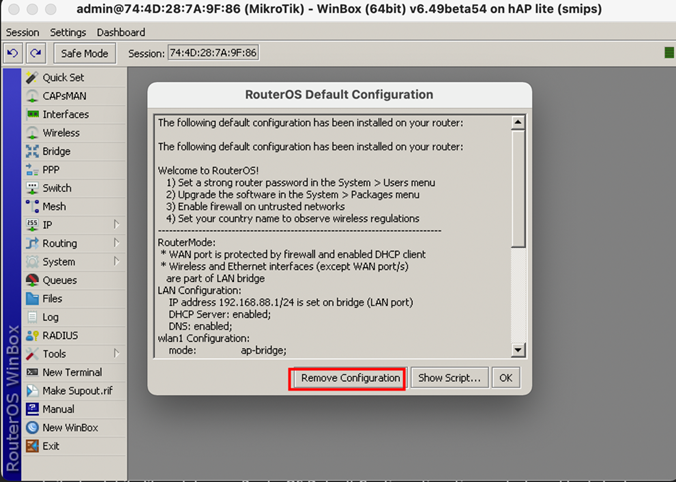
While Winbox login is generally a straightforward process, various issues can disrupt access, leading to frustration and potential network vulnerabilities. Troubleshooting these problems involves understanding common pitfalls and applying targeted solutions to restore connectivity quickly.
One frequent issue is login failure due to incorrect credentials. In such cases, double-check the username and password, especially when default credentials have been changed for security reasons. Using the MikroTik’s console or SSH access can help verify or reset login credentials if they’ve been forgotten. Remember, always change default passwords to prevent unauthorized access.
Another common problem involves network connectivity. If Winbox cannot detect your device or establish a connection, it may be due to misconfigured IP addresses, firewall rules blocking Winbox or MAC addresses, or network segmentation issues. Ensure that your PC and MikroTik device are on the same subnet or correctly routed, and disable any firewalls temporarily to test connectivity. Verifying network settings thoroughly often resolves these issues.
Remote access complications can also occur if the device is configured with strict firewall rules or if services like Winbox are disabled. To troubleshoot, check the device’s firewall settings and ensure that the TCP port used by Winbox (default 8291) is open. Additionally, confirm that remote access is permitted through the device’s IP filtering rules, and consider setting up a VPN for secure remote management instead of exposing services directly to the Internet.
In some cases, the device may have been reset or swapped, lowering chances of successful login due to unknown credentials or misconfigurations. Restoring from backups or performing a factory reset, then reconfiguring the device can be necessary. In doing so, always secure your device with strong passwords and updated firmware to mitigate future problems.
Expert advice suggests maintaining a regular check of network compatibility, documenting configuration changes, and employing multiple access methods for redundancy. For example, combining Winbox with SSH or web interfaces ensures continuous control despite encountering issues. Ultimately, persistent troubleshooting, combined with proactive security measures, guarantees consistent and reliable access via Winbox login.
Securing Winbox Login – Best Practices for Your Network’s Safety
Securing Winbox login is paramount in safeguarding your network from unauthorized access and potential breaches. As the primary gateway to MikroTik devices, the login process must be fortified with robust security strategies to prevent malicious activities.
The first step toward securing your Winbox login is to avoid default credentials. Default usernames and passwords are well-known and pose significant risks. Immediately changing these to complex, unique combinations greatly enhances security. Use a password manager for generating and storing strong passwords, ensuring they are difficult to guess or crack.
Implementing secure access protocols is equally important. Whenever possible, restrict Winbox access to specific IP addresses or networks through firewall rules. This minimizes exposure and reduces the risk of brute-force attacks. Enabling VPN tunneling for remote access instead of exposing Winbox directly over the internet adds an additional layer of encryption and privacy.
Another critical best practice involves keeping your MikroTik firmware and Winbox software updated. Software updates regularly include security patches that fix vulnerabilities, making it essential to maintain current versions. Turn on automatic updates if available, and periodically review your device and software configurations to ensure compliance with security standards.
Finally, consider multi-factor authentication (MFA) where feasible. While MikroTik does not natively support MFA for Winbox login, integrating with external VPN or SSH access infrastructures allows for multi-layered security protocols. Additionally, disable unnecessary services and ports, and enable logging and monitoring of access logs. This not only deters unauthorized access but also provides valuable insights for incident response.
By implementing these comprehensive security measures, you protect your network’s integrity and ensure that Winbox login remains a secure, reliable tool for your network management. Proper security fosters confidence, mitigates risks, and guarantees continued access for authorized users only.
Conclusion
Mastering Winbox login is a critical component of efficient and secure MikroTik network management. From initial setup procedures, troubleshooting connectivity issues, to implementing top security practices, these core aspects ensure seamless access and reliable control over your devices. Proper configuration, vigilant updates, and robust security measures protect your network from vulnerabilities while facilitating smooth management operations. Whether managing a small home network or a large enterprise setup, understanding how to effectively connect via Winbox unlocks the full potential of MikroTik hardware, helping you optimize performance, enhance security, and streamline network administration.