Symptoms include both physical and emotional challenges, making a holistic approach to detox and treatment necessary. Withdrawal can also affect a person’s behavior, from mood swings to urges and cravings. An individual may act irrationally as they begin the detox process until the body processes toxins and expels them. Medications like Acamprosate, Disulfiram, and Naltrexone are all common continuing medications used in navigating alcohol treatment and recovery even after detox has concluded. Under the supervision of medical healthcare professionals, medications can be used to help during detox. Those beginning their detox journey can set expectations based on some standard detox programs depending on the substance.
- A large body of research exists examining—and proving—the efficacy of AA for sobriety.
- And one of those treatments is to simply (or not so simply) avoid consuming alcohol or whatever substance is the object of the addiction.
- Each journey starts with committing to an effective professional detox program.
- It’s also helpful to change your environment—for instance, avoid going to bars.
- They may also serve as a source of inspiration and support for others who are on their own journey to recovery.
- She takes the medicine buprenorphine, which acts to dull her body’s yearning for opioids, but she was not ready to let go of meth.
- It takes an average of 18 months for the brain to heal from active addiction.
Intense physical pain, emotional turmoil, panic, and more are all possible depending on the individual and their history of use. There is no single medicine that is best for all situations throughout detox. Likewise, no medicine can completely mitigate the challenges of the detox process.
What are the Implications of Second-Hand Meth Smoke?
I’ve been working in the addiction and mental health field since 2013 and decided to enter the field after overcoming my own challenges with addiction. Growing up in Louisiana with addiction running rampant on both sides of http://gadwall.ru/?page=3 my family. A life away from drugs and alcohol seemed impossible for someone like me. I remember what it was like sitting across from someone thinking there is no way they could ever understand what I was going through.
Moreover, when you are hungover, vomiting may make you feel better, but it doesn’t lower your BAC. There are various myths out there claiming to be “effective.” However, please don’t believe https://mgodeloros.ru/stati/postukivanie-palcem-pokazyvaet-chto-alkogoliki.html them, as none are backed by science. Ask any doctor how to get sober fast, and they’ll tell you it’s impossible. Rachel, 35, her hair dyed a silvery lavender, ran to greet Dr. Helmstetter.
Potential Side Effects of Medical Detox & MAT
Reputable, research-based treatment programs select therapies and interventions to match your personal needs. For example, a Veteran with post-traumatic stress disorder (PTSD) who misuses cocaine, doesn’t have the same needs as a stay-at-home mom struggling with alcohol use. As explained and elaborated on by the National Institute http://parallelbook.ru/tekst-pesni-decorated-ispolnitel-crazy-town.html on Alcohol Abuse and Alcoholism, relapse prevention is the main goal of all addiction treatment. Treatment provides you with the tools to change your thoughts, emotions, and behaviors around substance use. If you’re not ready or willing to change those behaviors and thoughts, then treatment cannot do what it’s designed to do.
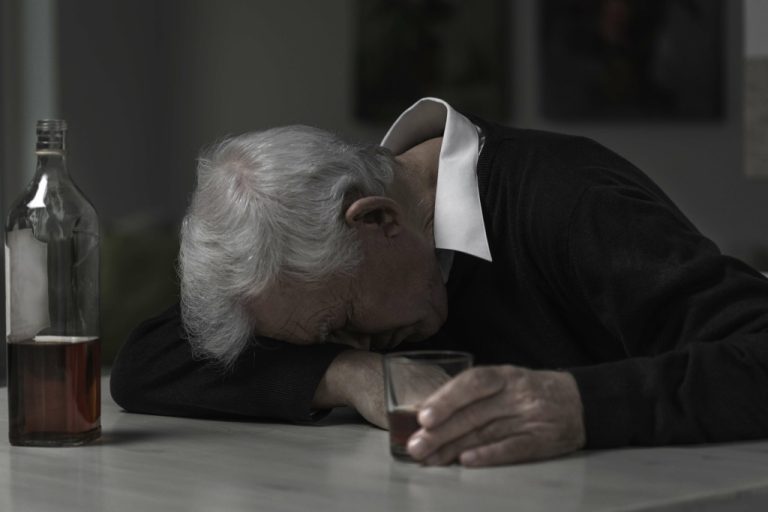
Soaking yourself in a cold shower achieves the exact opposite of relaxation. So, while a cold shower may make sobering up a cleaner experience, it has no impact on reducing your BAC. Sobering up after a night of drinking is different for everyone. However, the body always eliminates alcohol at a rate of .015% per hour. This equates to half to one drink per hour or between .25 and .30 ounces of ethanol (alcohol). While people can drink safely and responsibly, many risks have an association with alcohol.
Identify Your Personal Triggers
Management of withdrawal symptoms begins to ease the negative symptoms. The clinical treatment team will determine which medications are necessary, at which dose, and how often to administer doses. That being said, this is another popular time for relapse because of complacency. The first year is marked with milestone festivities and, ideally, many short-term celebrated goals. By now, recovery is a normal part of everyday life in addition to all daily functions such as running a household, working, relationships, and responsibilities. The daily swing of things has the potential to become mundane for those who get too comfortable, and they may go back out.
After completion of the detox process, these programs can offer you both the emotional support and a structured plan to avoid a relapse. What type of treatment you need depends on several factors, including the severity of your addiction. For instance, if your substance use disorder is diagnosed as mild, an outpatient program might be recommended. Outpatient programs vary widely but typically provide a designated number of hours of treatment per week at a treatment center or facility.